
1. Product Name: Stevia (Sweet Leaf) for Export
2. Introduction:
Stevia, also known as “sweet leaf” or “sugar leaf,” is a natural, zero-calorie sweetener derived from the Stevia rebaudiana plant. Vietnam is emerging as a key producer of high-quality stevia, catering to the increasing global demand for healthy sugar alternatives. Known for its intense sweetness (200–300 times sweeter than sugar), stevia is widely used in food, beverages, and pharmaceuticals. Cultivated under sustainable practices and certified by international standards, Vietnamese stevia is exported to markets such as the USA, EU, Japan, and South Korea.
3. Illustration:

4. Varieties, Benefits & Value:
- Varieties:
- Stevia rebaudiana Bertoni: The most common variety with high levels of stevioside and rebaudioside A (the compounds responsible for sweetness).
- Benefits:
- Zero-calorie sweetener suitable for diabetics and weight-conscious consumers.
- Rich in antioxidants that support overall health.
- Non-GMO and naturally derived with no artificial additives.
- Value:
- High demand in the global market due to its use in sugar-free products like soft drinks, desserts, and dietary supplements.
- Long shelf life when dried and stored properly (up to 12 months).
5. Cultivation Area:
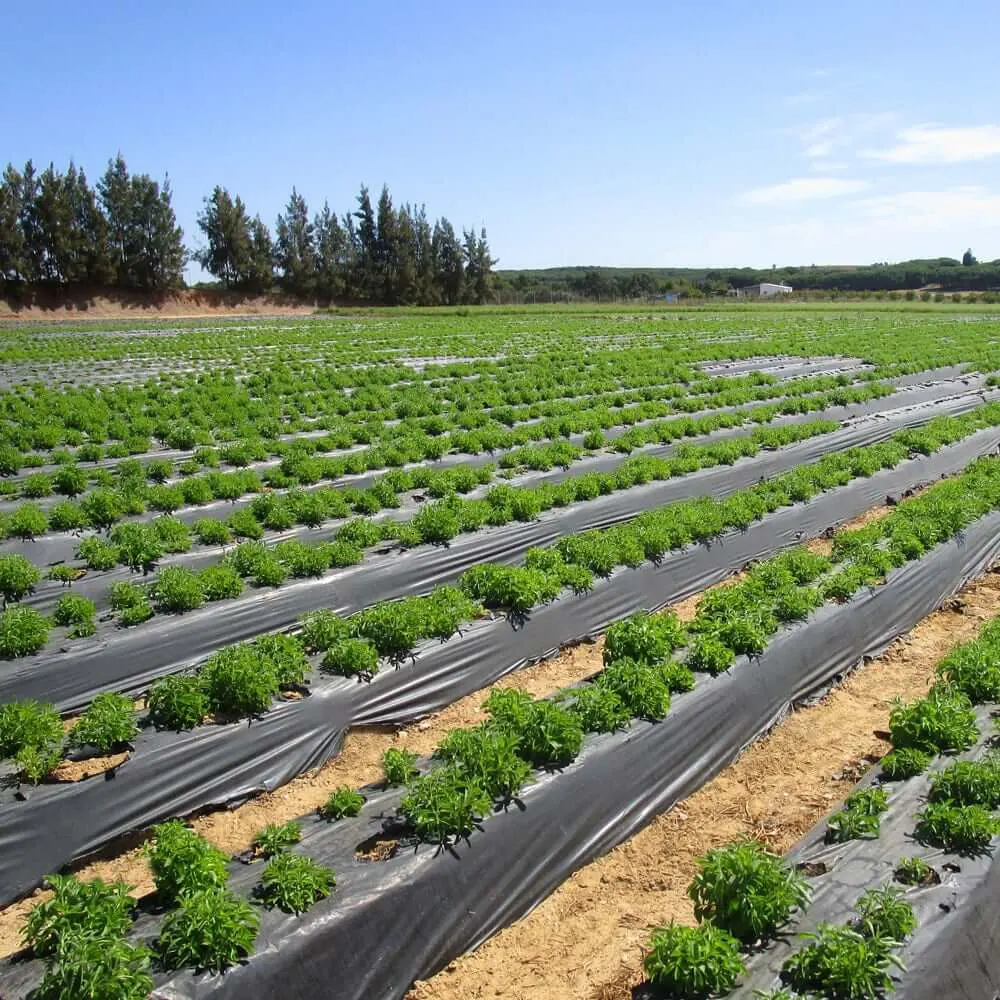
- Primary Growing Regions: Lam Dong Province (Central Highlands) and Thai Nguyen Province (Northern Vietnam).
- Description: These regions provide ideal conditions for stevia cultivation with their cool climate, rich soil, and sustainable farming practices under VietGAP standards. Farmers employ eco-friendly methods to ensure high yields and consistent quality.
6. Processing & Preservation Technology:
- Steps in Processing:
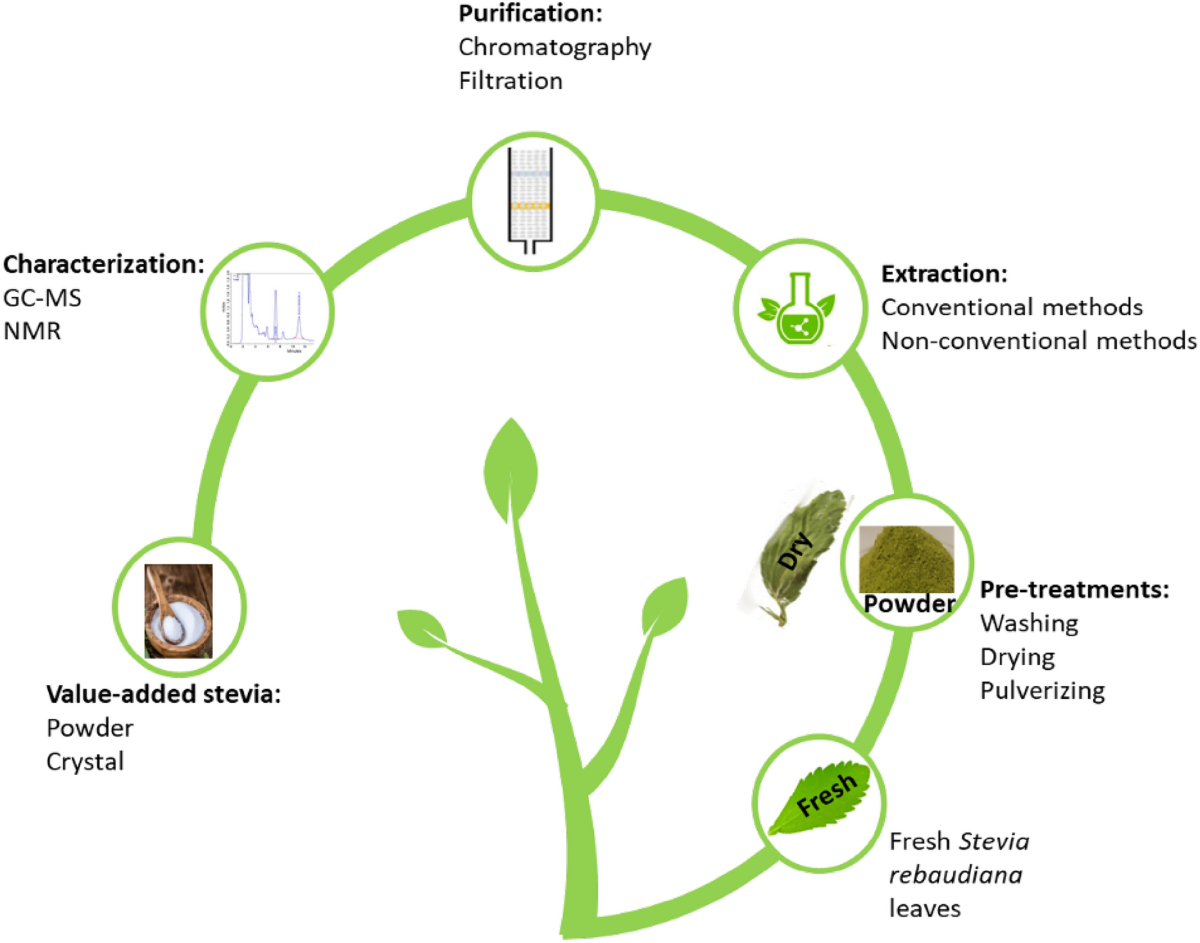
- Harvesting fresh stevia leaves at peak maturity to maximize sweetness content.
- Drying leaves using low-temperature air-drying methods to preserve natural compounds.
- Extracting stevioside and rebaudioside A through water-based or ethanol-based processes for use in powdered or liquid forms.
- Preservation Technology Used: Vacuum-sealed packaging ensures freshness during export while maintaining the product’s natural sweetness and quality.
7. Certifications & Quality Standards:
iMED ensures that exported stevia meets stringent international quality standards through certifications:
- GlobalG.A.P.: Certification for sustainable farming practices ensuring environmental responsibility and product traceability.
- HACCP (Hazard Analysis Critical Control Points): Ensures food safety throughout the supply chain.
- USDA Organic Certification: Recognizes organically grown stevia suitable for export to the USA market.
Export Quality Metrics:
| Parameter | Standard Value | Certification Body |
|---|---|---|
| Stevioside Content | ≥10% | USDA Organic |
| Moisture Content | ≤10% | HACCP |
| Pesticide Residue | Below EU Limits | GlobalG.A.P., VietGAP |