1. Product Name: Vietnamese Coffee for Export
2. Introduction:
Vietnam is the second-largest coffee exporter globally, renowned for its high-quality Robusta beans and growing reputation for Arabica beans. Vietnamese coffee is celebrated for its bold flavor, rich aroma, and diverse applications in global markets. Cultivated primarily in the Central Highlands, coffee from Vietnam is exported to over 80 countries, including the USA, EU, Japan, and South Korea. Certified by UTZ, Rainforest Alliance, and other international standards, Vietnamese coffee is a staple in the global coffee industry.
3. Illustration:

4. Varieties, Benefits & Value:
- Varieties:
- Robusta Coffee (Coffea canephora): Known for its strong flavor and high caffeine content; accounts for 90% of Vietnam’s production.
- Arabica Coffee (Coffea arabica): Grown in cooler regions like Lam Dong; prized for its smooth taste and fruity notes.
- Benefits:
- Rich in antioxidants that promote health and boost energy levels.
- Versatile applications in beverages, desserts, and cosmetics (coffee scrubs).
- Value:
- Competitive pricing due to Vietnam’s efficient production methods.
- Long shelf life when stored properly (up to 12 months).
5. Cultivation Area:
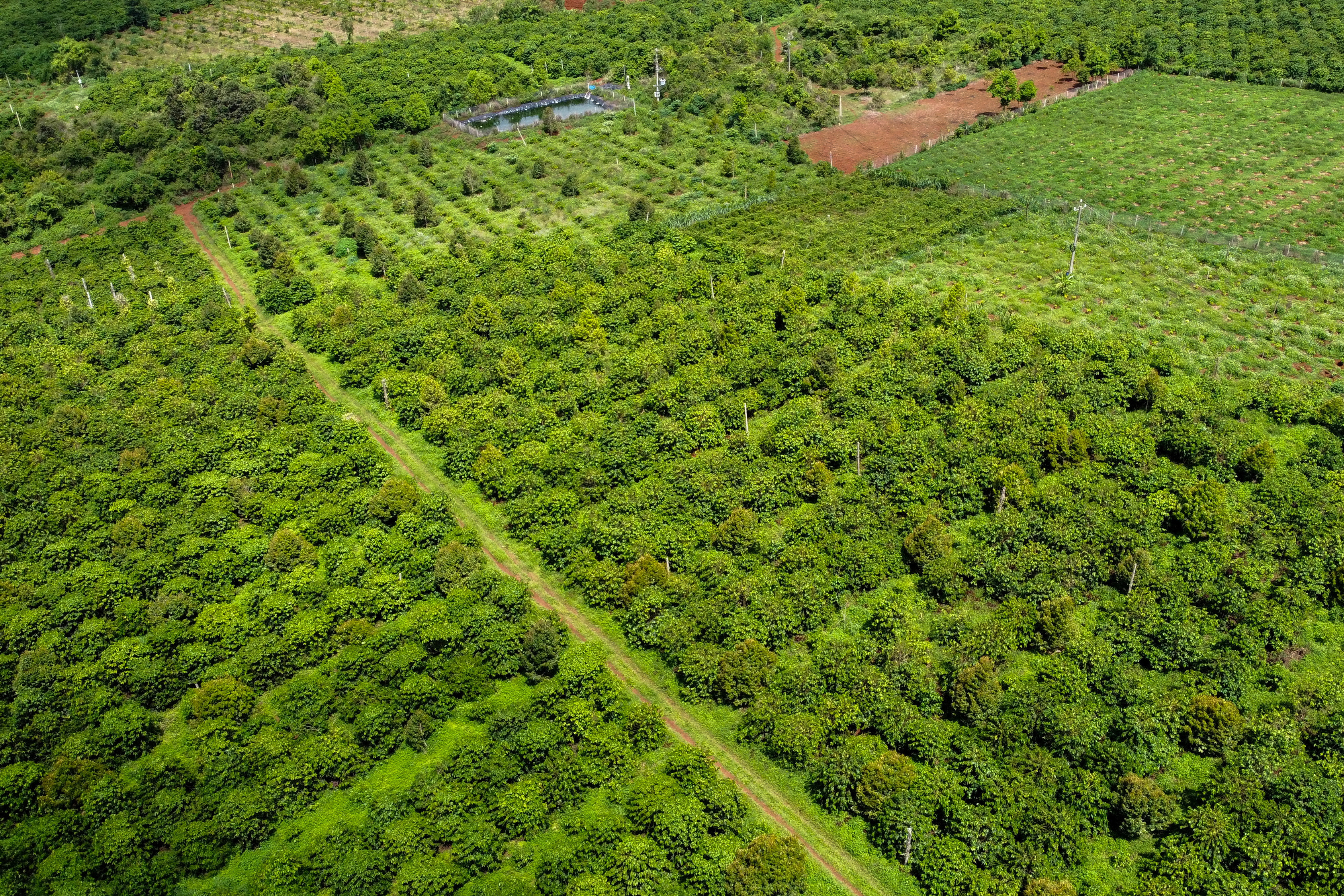
- Primary Growing Regions: Central Highlands (Dak Lak, Gia Lai, Lam Dong).
- Description: The Central Highlands are ideal for coffee cultivation due to their volcanic soil, high altitude (500–1,500 meters above sea level), and favorable climate. Farmers employ sustainable practices under GlobalG.A.P. standards to ensure consistent quality and environmental responsibility.
6. Processing & Preservation Technology:
- Steps in Processing:
- Harvesting ripe coffee cherries by hand to ensure optimal quality.
- Wet or dry processing methods to separate beans from cherries.
- Fermentation and drying under controlled conditions to achieve desired flavor profiles.
- Grading and sorting based on size, color, and density to meet export standards.
- Preservation Technology Used: Vacuum-sealed packaging ensures freshness during long-distance shipping while maintaining the beans’ aroma and flavor.

7. Certifications & Quality Standards:
iMED ensures that exported coffee meets stringent international quality standards through certifications:
- UTZ Certified: Ensures sustainable farming practices with traceability from farm to cup.
- Rainforest Alliance Certified: Promotes biodiversity conservation and sustainable livelihoods for farmers.
- HACCP (Hazard Analysis Critical Control Points): Guarantees food safety throughout the supply chain.
Export Quality Metrics:
| Parameter | Standard Value | Certification Body |
|---|---|---|
| Moisture Content | ≤12% | HACCP |
| Caffeine Content | Robusta: ≥2%, Arabica: ≥1% | UTZ Certified |
| Defect Rate | ≤5% | Rainforest Alliance |