1. Product Name: Vietnamese Rice for Export
2. Introduction:
Vietnam is one of the world’s largest rice exporters, renowned for its high-quality varieties such as Jasmine rice, ST25 (World’s Best Rice 2019), and fragrant rice. Cultivated in the fertile Mekong Delta, Vietnamese rice is prized for its aromatic flavor, soft texture, and nutritional value. With exports reaching over 6 million tons annually, Vietnam supplies premium rice to markets in the USA, EU, Japan, and the Middle East. Certified by GlobalG.A.P., HACCP, and ISO 22000, Vietnamese rice meets the highest international food safety and sustainability standards.
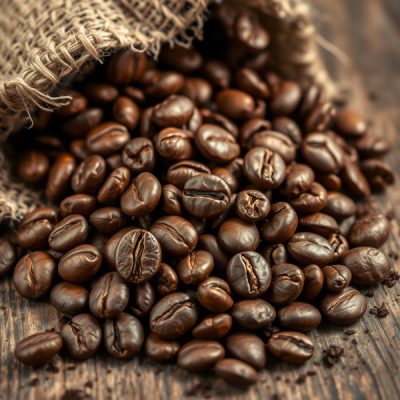
3. Illustration:

4. Varieties, Benefits & Value:
- Varieties:
- Jasmine Rice (Hom Mali): Known for its fragrant aroma and soft texture.
- ST25 Rice: Awarded “World’s Best Rice” in 2019; highly aromatic with a nutty flavor.
- Glutinous Rice: Sticky rice widely used in desserts and traditional dishes.
- Benefits:
- Naturally gluten-free and rich in essential nutrients like carbohydrates and B vitamins.
- Low glycemic index varieties available for health-conscious consumers.
- Value:
- High demand in premium markets for its quality and versatility in global cuisines.
- Long shelf life (up to 12 months when stored properly).
5. Cultivation Area:
- Primary Growing Regions: Mekong Delta (An Giang, Can Tho, Dong Thap).
- Description: The Mekong Delta is known as Vietnam’s “Rice Bowl,” providing ideal conditions for rice cultivation with its fertile alluvial soil, abundant water supply, and tropical climate. Farmers utilize sustainable practices under VietGAP and GlobalG.A.P. standards to ensure consistent quality and environmental responsibility.

6. Processing & Preservation Technology:
- Steps in Processing:
- Harvesting fully mature rice grains by hand or machine to ensure optimal quality.
- Milling to remove husks while preserving the grain’s natural nutrients.
- Polishing to enhance appearance for premium export markets.
- Sorting and grading based on size, color, and moisture content to meet international standards.
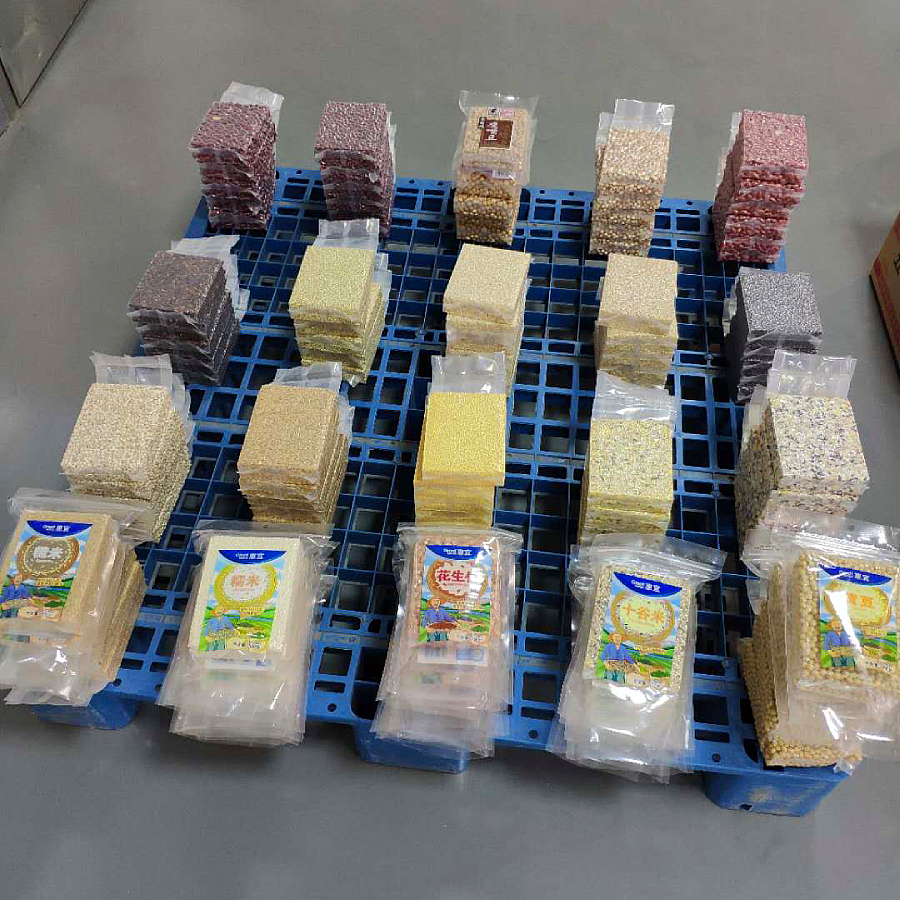
- Preservation Technology Used: Vacuum-sealed packaging ensures freshness during long-distance shipping while maintaining the rice’s natural aroma and texture.
7. Certifications & Quality Standards:
iMED ensures that exported rice meets stringent international quality standards through certifications:
- GlobalG.A.P.: Certification for sustainable farming practices ensuring environmental responsibility and product traceability.
- HACCP (Hazard Analysis Critical Control Points): Ensures food safety throughout the supply chain.
- ISO 22000 (Food Safety Management): Guarantees compliance with global food safety standards.
Export Quality Metrics:
| Parameter | Standard Value | Certification Body |
|---|---|---|
| Moisture Content | ≤14% | HACCP |
| Grain Length | ≥7mm (Jasmine) | GlobalG.A.P., ISO |
| Broken Grains | ≤5% | HACCP |